Photo: Collected
Last Update: Sunday January 11, 2026
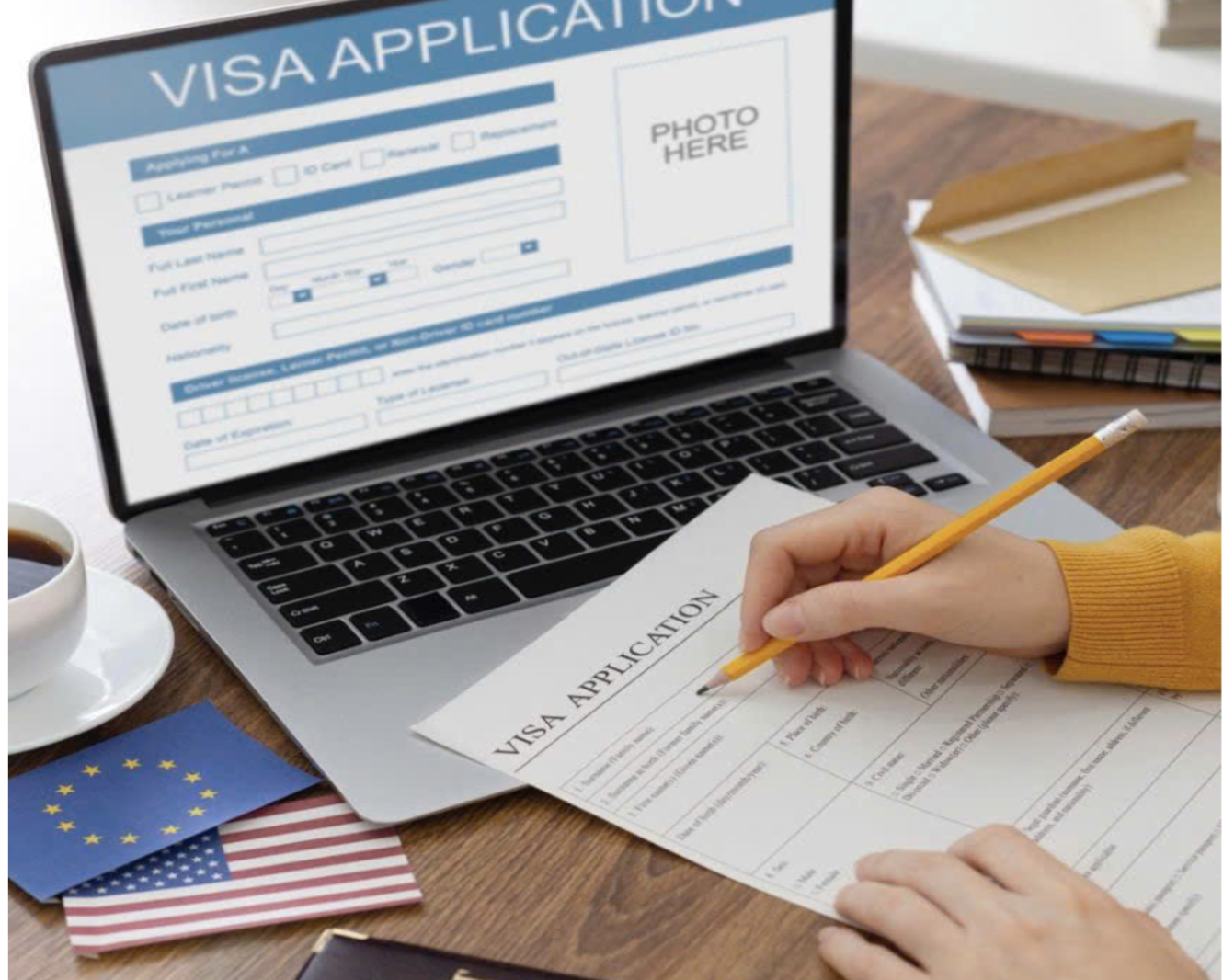
The Vietnamese government is actively considering more liberal visa policies to boost tourism and foreign spending, particularly:
Issuing visas on arrival at border gates (in addition to existing visa/e‑visa channels) with simplified/automated procedures (facial recognition, e‑passports)
Introducing longer-term visas (12 to 36 months) with multiple entries, especially targeting higher‑spending tourist segments, retirees, and visitors from “key markets” like Europe, Northeast Asia, North America, India, the Middle East
Expanding the list of visa-exempt countries (currently 13) to include many more, including the U.S., Canada, Australia, New Zealand, and more EU nations
Requiring coordinated proposals among public security, foreign affairs, tourism ministries; a report is to be submitted by Q2 2024 to the Prime Minister
The motivation is clear: after recovering from the pandemic, Vietnam wants to make itself more competitive in regional tourism, extend tourist stays, increase spending, and attract more high-value visitors.
Strengths & Potential Benefits
Photo: Collected
Tourism Revival & Growth
The pandemic greatly disrupted international travel. Easing visa barriers is a proven lever to stimulate tourism flows, and is already being adopted by other nations in Southeast Asia. The proposal could accelerate the rebound, especially from long‑haul markets.
Longer Stays, Higher Spending
A 36‑month multiple entry visa gives travelers flexibility, encouraging them to stay longer or make repeated visits. Visitors who see Vietnam as a base for exploring the region might spend more on accommodation, transport, services, etc.
Competitive Positioning in the Region
Vietnam’s tourism neighbors (e.g. Thailand, Malaysia, Singapore) already offer more liberal visa regimes. To avoid losing out, Vietnam must match or exceed ease of entry if it seeks to capture a larger share of travelers.
Attracting Retirees, “Bleisure” and Niche Markets
The policy targets not just short-term tourists, but also long-term, higher-spending visitors—retirees, digital nomads, repeat visitors. These often produce greater per-capita economic benefits.
Facilitating Travel Logistics
Emphasis on automation (FaceID, e‑passport, online exit/entry systems) could reduce friction, queues, and processing times. That improves the visitor experience and reduces administrative burdens.
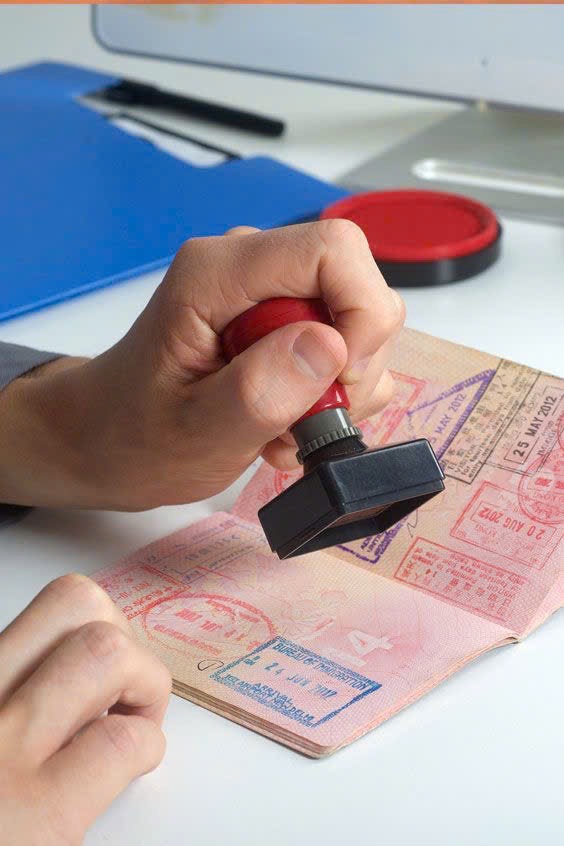
Photo: Collected
The proposal is bold and forward-looking. If implemented well, it could mark a transformative shift in how Vietnam positions itself in global tourism, making it more accessible, visitor-friendly, and competitive. The long-term multiple-entry visa, especially up to 36 months, is quite ambitious and signals confidence in Vietnam’s attractiveness and stability.
However, success is not guaranteed. The risks are nontrivial—governance, security, infrastructure, equitable rollout, and maximizing local benefit all matter. Much will depend on the details: which countries are eligible, how strict the vetting process is, how user-friendly the systems are, and how rapidly the administrative machinery can adjust.
If Vietnam can strike a balance—opening doors while maintaining control—it could enjoy significant gains: more inbound tourists, higher tourism revenue, longer stays, more repeat visits, and increased global competitiveness. But missteps could lead to security concerns or disillusionment if promised ease is delayed or poorly implemented.


 84.379.522.522


