
Consular legalization (or consular certification) is the process of confirming the authenticity of a foreign document so it can be recognized in another country. This procedure ensures that a document issued abroad is valid for use within Vietnam or vice versa.
You’ll need Vietnam consular legalization when:
Submitting foreign diplomas or certificates to Vietnamese authorities.
Using Vietnamese business documents for overseas transactions.
Registering a marriage, applying for a visa, or handling inheritance abroad.
Verifying commercial invoices, powers of attorney, or company registration papers.
Each country has unique rules for document legalization. Check both the issuing authority and the destination country’s embassy websites to ensure your document meets all formal requirements (e.g., signature, seal, notarization).
If your document is not in Vietnamese or English (depending on where it will be used), it must be translated and notarized by an authorized translator or notary public in Vietnam.
Some documents (like contracts or power of attorney) must first be notarized or authenticated by local authorities (People’s Committee or Notary Office) before submission for consular legalization.
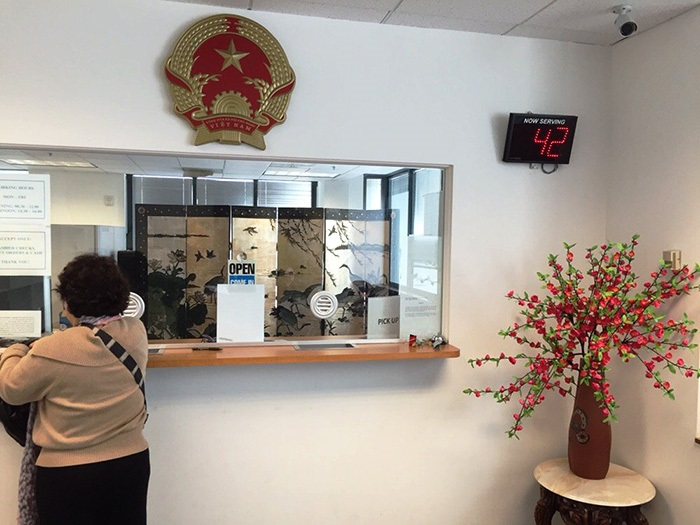
Source: Collected
Step-by-Step Process of Consular Legalization in Vietnam
For most documents, the first step is authentication by the Vietnam Ministry of Foreign Affairs (MOFA) or its representative offices in Ho Chi Minh City or Da Nang. This step verifies the document’s legitimacy before it is accepted by a foreign embassy.
Once authenticated by MOFA, the next step is submission to the embassy or consulate of the destination country in Vietnam. You’ll need to bring:
The original authenticated document(s)
A copy of your ID or passport
The embassy’s legalization form (if required)
Applicable fees
After verification, the embassy will affix its legalization stamp or seal to confirm authenticity.
Processing time usually ranges from 3–15 working days, depending on the embassy. Once received, check that:
All stamps and signatures are clear and consistent.
The document’s content remains unchanged.
You keep digital and physical copies for future use.
Important Notes and Time-Saving Tips
Some countries accept documents certified directly by MOFA, while others require additional authentication from their own embassy. Always verify in advance to avoid delays.
Carry originals, notarized copies, translations, and identification documents (passport or ID card) when visiting the embassy. Having extras helps prevent additional trips.
If you are unsure or too busy, consider a document legalization service in Vietnam. They can assist with translation, notarization, MOFA authentication, and embassy legalization efficiently and accurately.
From start to finish, the Vietnam consular legalization process usually takes 5–20 working days, not including translation or document preparation.
Yes. The MOFA has regional offices in Da Nang and Ho Chi Minh City. For embassies based in Hanoi, you can either use a courier service or hire a legalization agency to submit documents on your behalf.
It depends. If the document was legalized and certified by the issuing country’s Ministry of Foreign Affairs, Vietnam generally accepts it after translation and notarization. Always confirm with the Vietnamese authority that will receive your document.
Conclusion
The process of consular legalization in Vietnam can seem complicated, but careful preparation and following each step will ensure your documents are accepted smoothly. Whether you’re legalizing educational, business, or personal documents, understanding the steps — from translation to embassy certification — is key.
For a fast, reliable experience, use professional support for your Vietnam embassy legalization or consular certification Vietnam needs.




 84.379.522.522


