Last Update: Friday December 12, 2025
As 2025 comes to an end, there’s no better way to celebrate Christmas and welcome the New Year 2026 than with a memorable trip to Vietnam — a country that perfectly blends natural beauty, cultural charm, and festive joy. Whether you dream of cozy nights in the highlands or dazzling fireworks by the beach, Christmas in Vietnam 2025 promises something special for every traveler.
Before you start packing your bags, make sure your travel documents are ready. Most visitors need a valid visa to enter Vietnam — but don’t worry, the process is simple and quick.
If you’re planning your holiday, apply for your Vietnam visa with us at Vietnam-Immi.org. Our service ensures a fast, secure, and hassle-free visa approval so you can focus on enjoying your trip, not paperwork.
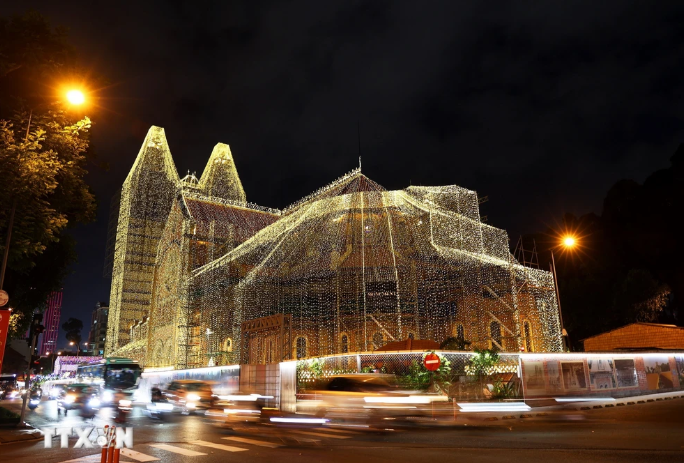
Although Christmas isn’t a public holiday in Vietnam, the festive atmosphere is everywhere! Major cities like Hanoi, Ho Chi Minh City, and Da Nang sparkle with Christmas lights, towering trees, and joyful carols.
You’ll find decorated shopping malls, themed cafes serving festive drinks, and locals and tourists alike enjoying the cozy, cheerful vibes.
Best places to spend Christmas in Vietnam:
Hanoi: Experience a European-style Christmas around St. Joseph’s Cathedral with markets, lights, and local street food.
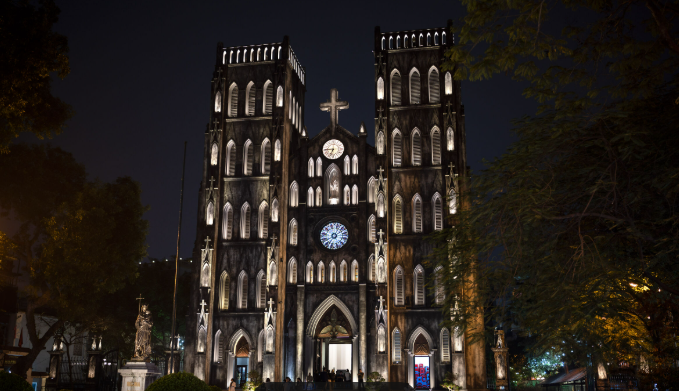
Photo: Collected
Ho Chi Minh City: Walk along Nguyen Hue Street to see spectacular light shows and bustling night markets.
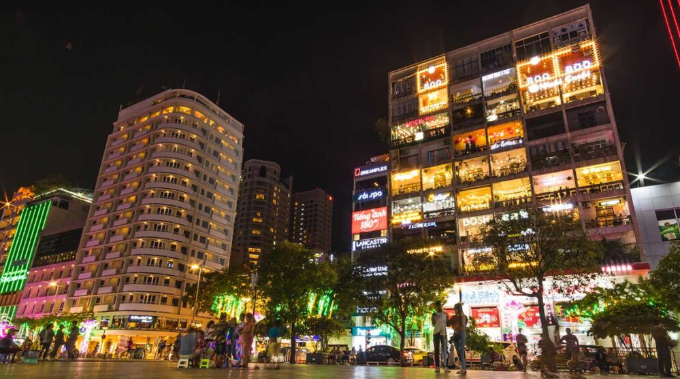
Photo: Collected
Sapa: Enjoy a winter wonderland — misty mountains, cool weather, and charming homestays.
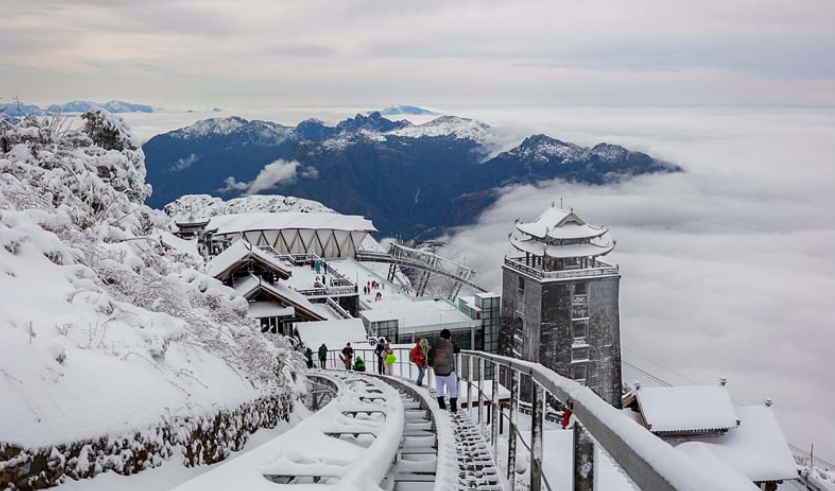
Photo: Collected
Da Nang & Hoi An: Celebrate Christmas by the beach and take part in lantern-lighting festivities.
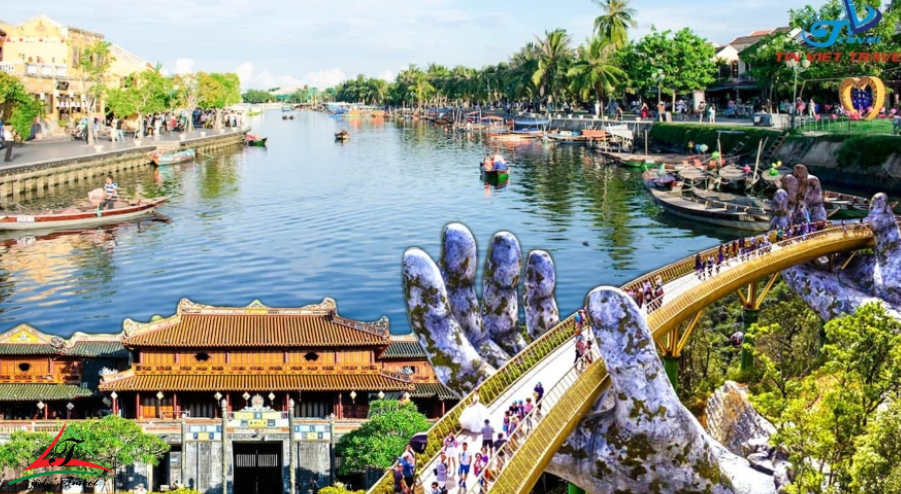 Photo: Collected
New Year in Vietnam 2026 is celebrated with fireworks, countdown events, and parties across the country.
Ho Chi Minh City: Expect massive outdoor celebrations, live music, and fireworks lighting up the sky over the Saigon River.
Hanoi: Join the countdown at Hoan Kiem Lake, where locals gather to celebrate with music, food, and laughter.
Phu Quoc & Nha Trang: Ring in the New Year on the beach with fire shows, cocktails, and dancing under the stars.
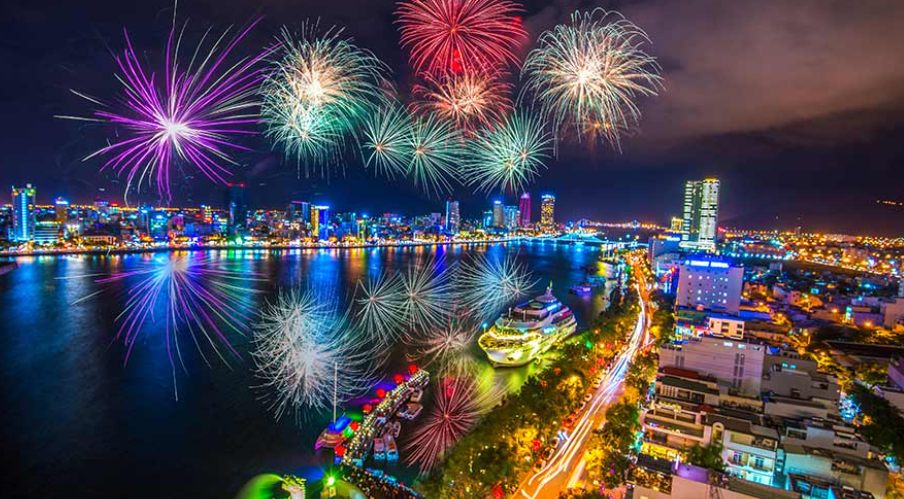
Photo: Collected
Take a cruise in Ha Long Bay to enjoy festive dining with a breathtaking view.
Visit local night markets for souvenirs and traditional treats.
Try Vietnamese holiday delicacies, like Bánh Chưng and warm pho.
Book a spa retreat or luxury resort stay to recharge for the new year.
The end-of-year season is one of the busiest times for travel to Vietnam, so make sure to apply for your visa early!
Let Vietnam-Immi.org handle your visa application — quick, reliable, and approved by the Vietnamese government.
Make this Christmas in Vietnam 2025 and New Year in Vietnam 2026 the most unforgettable holiday ever!
Whether you need a fast visa, airport fast track, private car, or eSIM, Vietnam-Immi.org is here 24/7 to support your trip.
Whatsapp: +84379522522
Hotline: +84.379.522.522
Email: sales@vietnam-immi.org
Last Update: Wednesday December 10, 2025
Ho Chi Minh City (Saigon) is one of Southeast Asia’s most dynamic urban destinations, bursting with markets, historic buildings, rooftop lounges, and cultural corners that many visitors miss. While most travelers head straight for popular attractions like Ben Thanh Market or the Notre Dame Cathedral, there are numerous hidden gems scattered throughout the city—places that only locals truly know. One of the best ways to uncover these secret spots is by relying on professional chauffeur services, which offer not only comfort and convenience but also insider recommendations that enhance every moment of your trip.
Professional chauffeurs in Ho Chi Minh City bring far more value than standard transportation. These drivers are trained experts who understand the city’s traffic patterns, shortcuts, and most importantly, its lesser-known highlights. Whether you're a solo traveler, a business visitor, or a family exploring Vietnam for the first time, having a knowledgeable chauffeur makes navigating the city smooth, efficient, and surprisingly enriching.
Premium Cars and High-End Models for a Luxurious Ride
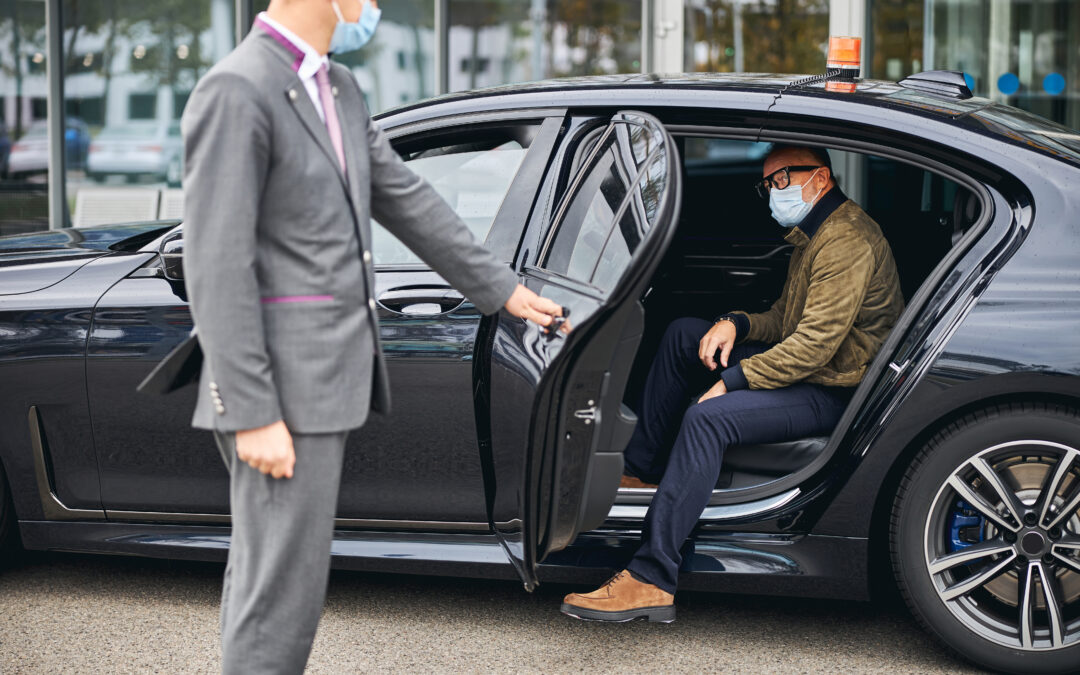
When booking a private chauffeur service, one of the biggest advantages is access to high-end models of cars that guarantee comfort during your journey. Unlike regular taxis or ride-hailing vehicles that vary in quality, professional services maintain a fleet of premium cars such as Toyota Camry, Hyundai Tucson, Kia Carnival, Limousine minivans, and sometimes even luxury brands like Mercedes-Benz.
These high-end models provide spacious seating, strong air-conditioning (a must in Saigon’s heat), clean interiors, and smooth rides—perfect for long days of exploration or important business meetings. Travelers who value comfort, style, and reliability will immediately feel the difference. This level of quality enhances the entire travel experience, turning simple transportation into part of the enjoyment.
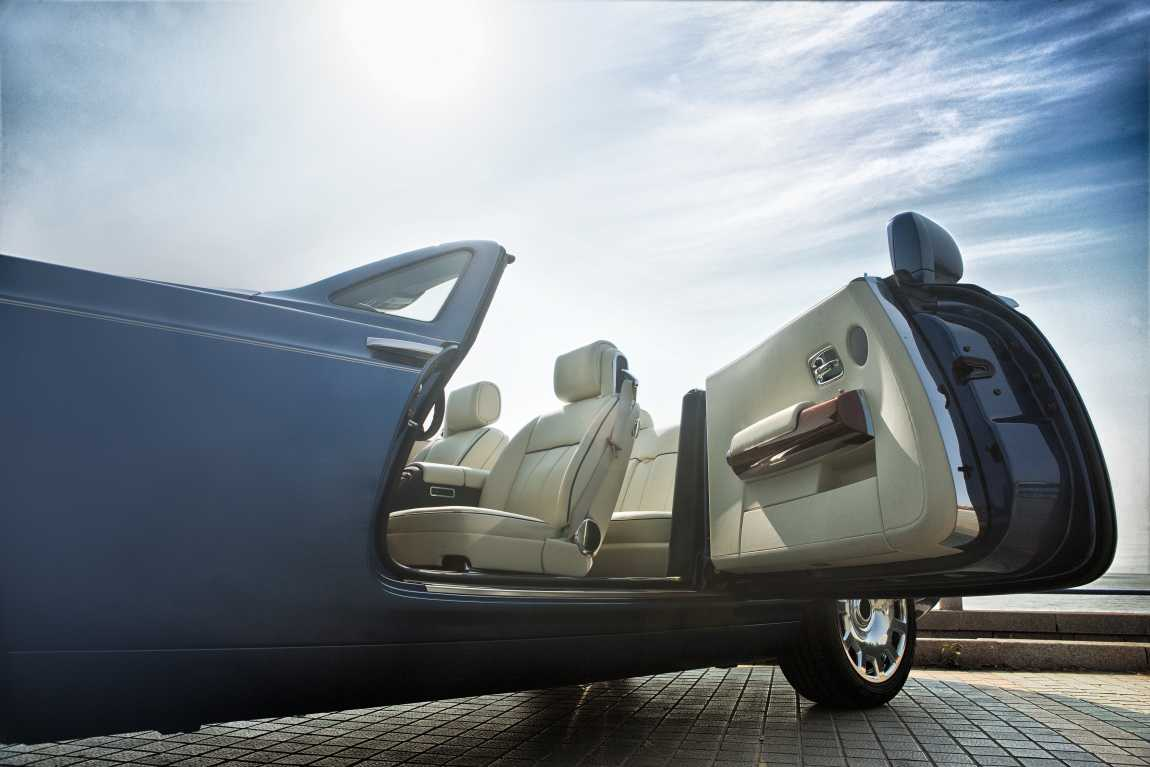
Photo: Collected
Effortless Airport Pickups with Real-Time Flight Tracking
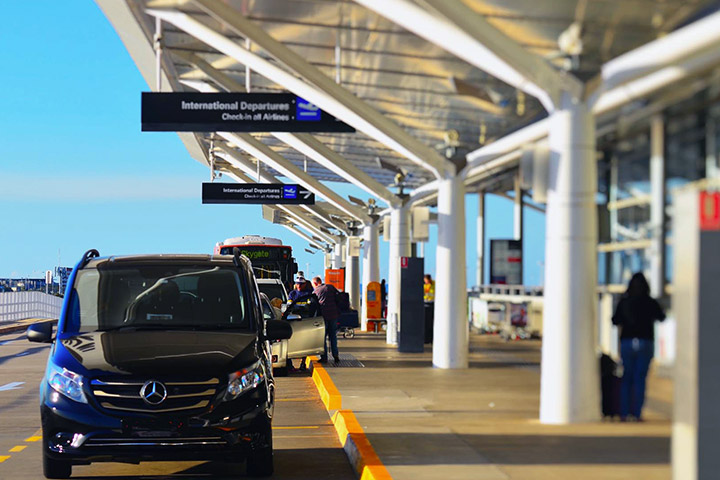
One of the most frustrating parts of traveling can be airport pickups, especially when flights are delayed or land earlier than expected. Professional chauffeur services eliminate this concern entirely by offering a system that tracks your flight in real-time. This feature ensures that your driver is always ready when you arrive—no guesswork, waiting, or stressful communication required.
Whether your flight is delayed by an hour or lands ahead of schedule, your chauffeur will adjust accordingly and meet you at the correct time. This is particularly helpful for first-time visitors who might feel overwhelmed by the crowds and layout of Tan Son Nhat Airport. With real-time tracking and a driver waiting with your name sign, your arrival becomes seamless and worry-free.

Photo: Collected
Transparent and Confirmed Pricing—No Surprises
One of the biggest challenges for tourists in large cities is dealing with unpredictable pricing. Taxi meters, surge pricing, or negotiation attempts can lead to uncomfortable situations. Chauffeur services solve this problem by providing a clear confirmed price before the ride even begins.
This confirmed price includes everything—tolls, parking fees, and any standard charges—so you know exactly what you will pay. There are no hidden fees or sudden price changes, offering travelers peace of mind and financial clarity. This transparency is especially valuable for business travelers who need accurate receipts for expense reports or families working with fixed budgets.
Exploring Hidden Gems with Chauffeur’s Local Insights
Beyond transportation, professional chauffeurs in Ho Chi Minh City serve as local guides who can introduce you to unique, lesser-known places. These are locations that don’t always show up in guidebooks or tourist blogs. For example:
Small alleyway cafés serving authentic Vietnamese egg coffee
Local night markets where locals eat, shop, and socialize
Hidden rooftop bars with stunning skyline views
Quiet temples tucked between busy streets
Art districts like hidden galleries in Thu Duc City or District 3
Traditional craft shops selling handmade goods
With a chauffeur’s guidance, you can experience Saigon like a local—and discover the city’s creative spirit, flavors, and cultural richness far beyond the usual tourist path.
Tips to Book the Best Chauffeur Service in Ho Chi Minh City
To make the most of your experience, keep these tips to book an excellent chauffeur service:
Book early during peak seasons (Tet holiday, Christmas, long weekends).
Check the car model to ensure you get a high-end option that fits your group size.
Confirm that the service tracks flights in real time for smooth airport pickup.
Choose providers with transparent, confirmed pricing to avoid hidden costs.
Read reviews to confirm driver professionalism and local knowledge.
Share your itinerary so the chauffeur can recommend additional hidden spots.
By following these simple tips, you’ll secure a reliable, comfortable, and memorable travel experience.
A Premium, Insightful Way to Experience Ho Chi Minh City
Discovering the hidden corners of Ho Chi Minh City becomes effortless when accompanied by a professional chauffeur. With premium vehicles, real-time flight tracking, transparent pricing, and expert recommendations, every journey becomes more comfortable and more meaningful. Whether you’re visiting for work or leisure, this elevated service ensures you enjoy Saigon at its best—offering a truly memorable way to explore the city’s vibrant, lesser-known beauty.
Whether you need a fast visa, airport fast track, private car, or eSIM, Vietnam-Immi.org is here 24/7 to support your trip.
Whatsapp: +84379522522
Hotline: +84.379.522.522
Email: sales@vietnam-immi.org
Last Update: Tuesday, December 09, 2025
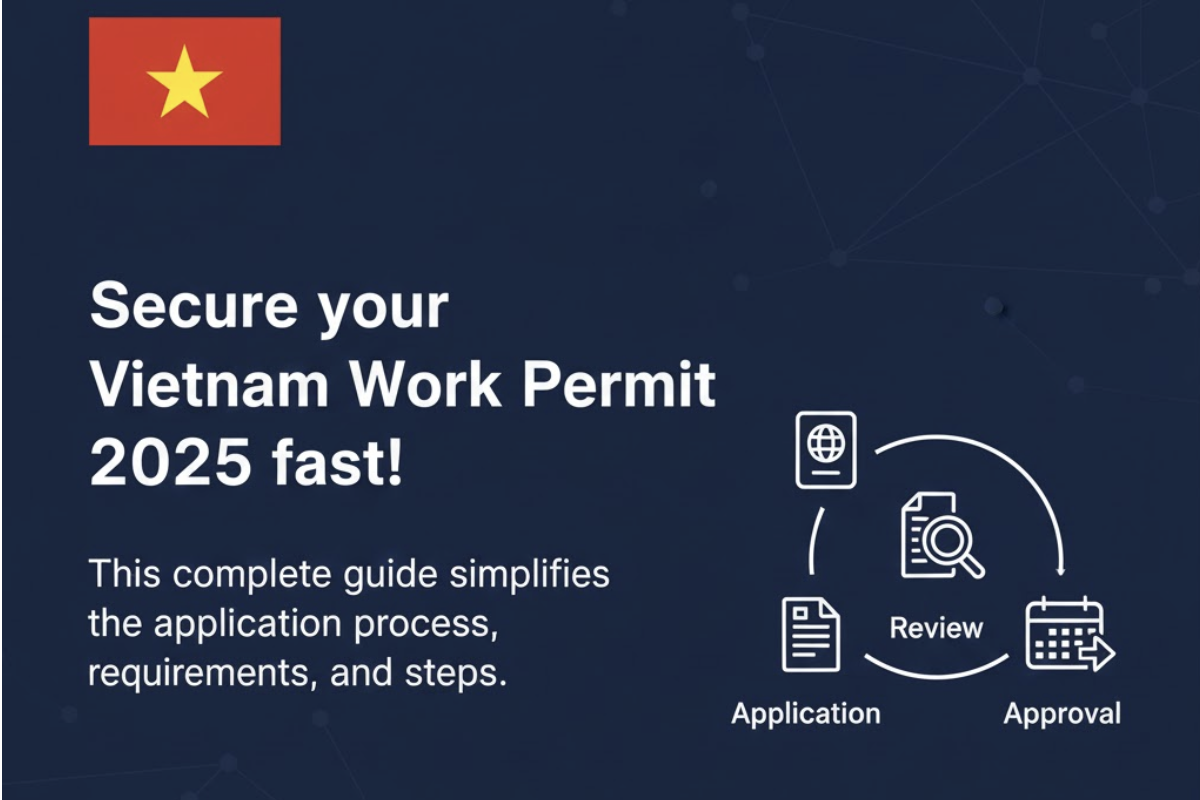
If you plan to work in Vietnam for over three months, obtaining a Vietnam Work Permit 2025 is mandatory. Navigating the application process can be complex, involving multiple government agencies and detailed documentation requirements. This comprehensive guide provides a step-by-step roadmap for securing your Work Permit, covering all the essential details and pointing you toward reliable Vietnam work visa service.
A Work Permit is required for all foreign nationals who intend to work in Vietnam under a labor contract, intra-company transfer, service provision, or other forms of employment for 90 days or more.
To be eligible for a Work Permit, a foreign worker must generally meet the following criteria:
Be at least 18 years of age.
Possess the professional qualifications, technical skills, and experience relevant to the job position.
Be in good health as certified by an authorized Vietnamese or foreign medical facility.
Have a clean criminal record (no criminal history or prosecution, either in Vietnam or their home country).
Obtain a written approval from the competent Vietnamese authority for the use of foreign labor by the employer.
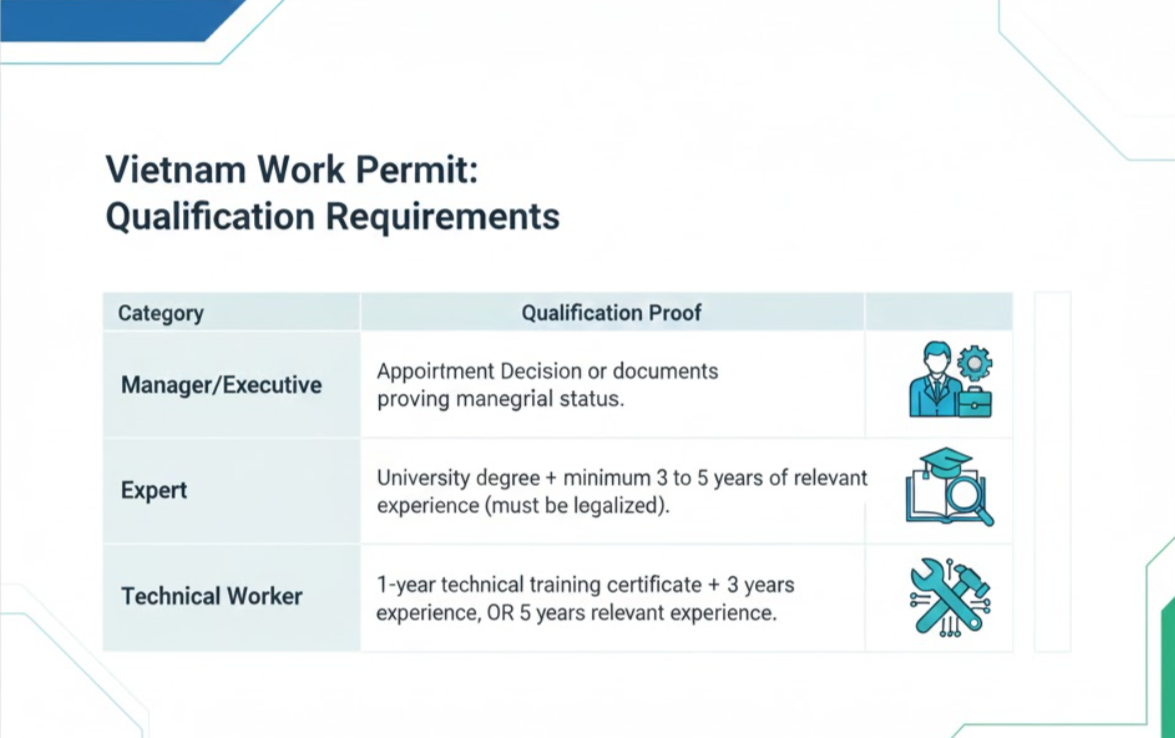
The application process is primarily the responsibility of the employing company in Vietnam and typically involves two main stages. Starting the process 2–3 months in advance is highly recommended due to the time required for document preparation, legalization, and approvals.
This step must be completed by the employer at least 15–30 days before the foreign worker’s expected start date.
Report Foreign Labor Demand: The Vietnamese employer must submit a report (often Form 01/PLI) to the Provincial Department of Labor, War Invalids and Social Affairs (DoLISA) or the Ministry of Labor, War Invalids and Social Affairs (MoLISA). This report must explain the need for the foreign worker and prove that the position cannot be filled by a Vietnamese national.
Receive Approval: The competent authority will review the report and issue an official approval for the use of foreign labor.
Once the labor demand is approved, the employer proceeds with the work permit application, submitting the full dossier to the DoLISA/MoLISA at least 15 working days before the foreign worker's intended start date.
The application dossier is comprehensive and requires meticulous preparation. All foreign-issued documents generally need to be consularly legalized/apostilled and officially translated into Vietnamese.
|
Document Type |
Requirement |
Notes |
|
Application Form |
Official Application Form (Form No. 03/PLI or latest) |
Must be completed by the employer. |
|
Approval Letter |
Written approval for using foreign labor |
Obtained from Stage 1. |
|
Passport/Visa |
Certified copy of the valid Passport and current Visa |
Passport must be valid for at least 6 months beyond the contract. |
|
Health Certificate |
Original Health Check Certificate |
Issued within the last 12 months by an authorized hospital in Vietnam or legalized from abroad. |
|
Criminal Record Check |
Clean Criminal Record Certificate |
Issued within the last 6 months from the home country/country of residence OR Vietnam Police Check. Must be legalized. |
|
Photos |
2 recent color photos (4x6 cm) |
White background, front-facing, no glasses/hat, taken within 6 months. |
|
Proof of Qualification |
Degree, Diploma, Experience Letter, Appointment Decision |
Documents proving the status as Expert, Manager, or Technical Worker. Must be legalized and translated. |
|
Labor Contract Draft |
A signed draft of the labor contract. |
Total Time: The official processing time for the Work Permit application (Stage 2) is up to 10 working days from the date of receiving the complete dossier.
Result: If approved, the authority issues the Work Permit (valid for a maximum of 2 years). If rejected, a written explanation is provided.
After the Work Permit is issued, the employer and employee must sign the official labor contract, and a copy of this signed contract must be submitted to the DoLISA within 5 working days. The Work Permit then becomes the basis for applying for a Temporary Residence Card (TRC), which allows the foreigner to stay and work long-term without needing frequent visa renewals.
Given the complexity of document legalization, translation, and coordination with various Vietnamese authorities, many foreign workers and their employers opt for professional Vietnam work visa service.
Why consider professional support?
Compliance: Ensure all documents meet the latest requirements under Decree 152/2020/ND-CP and subsequent amendments.
Time-Saving: Professionals handle the legwork, including notarization, legalization, and submission, significantly reducing your processing time and risk of delays.
Expert Consultation: Get case-specific advice on categorizing the foreign worker (Expert, Manager, etc.) to ensure the correct documentation is prepared.
For comprehensive assistance, Vietnam-Immi.org, offers a streamlined application process. They provide full-cycle support, from initial consultation to final issuance of your Work Permit and associated visa/TRC.
Simple Steps to Professional Service:
Book Your Consultation: Visit the official booking page at https://vietnam-immi.org/booking.
Submit Your Details: Provide your employee and employer details securely through the system.
Expert Review & Submission: The dedicated team will review your documents, handle all required translations and legalizations, and submit the complete dossier to the competent authorities on your behalf.
Note: By utilizing a professional Vietnam work visa service, you minimize the chances of errors and maximize your opportunity for timely approval, letting you focus on your new career in Vietnam.
Conclusion
Securing your Vietnam Work Permit 2025 is the crucial step to legally starting your career in the country. The process is demanding, requiring attention to detail, timely submission, and correct legalization of all supporting documents, especially concerning the Vietnam work permit requirements for experts and managers.
By following this step-by-step guide and considering a dedicated Vietnam work visa service like the one offered via https://vietnam-immi.org/booking, you can ensure a smooth transition and focus on the excitement of your new role.
Whether you need a fast visa, airport fast track, private car, or eSIM, Vietnam-Immi.org is here 24/7 to support your trip.
Whatsapp: +84379522522
Hotline: +84.379.522.522
Email: sales@vietnam-immi.org
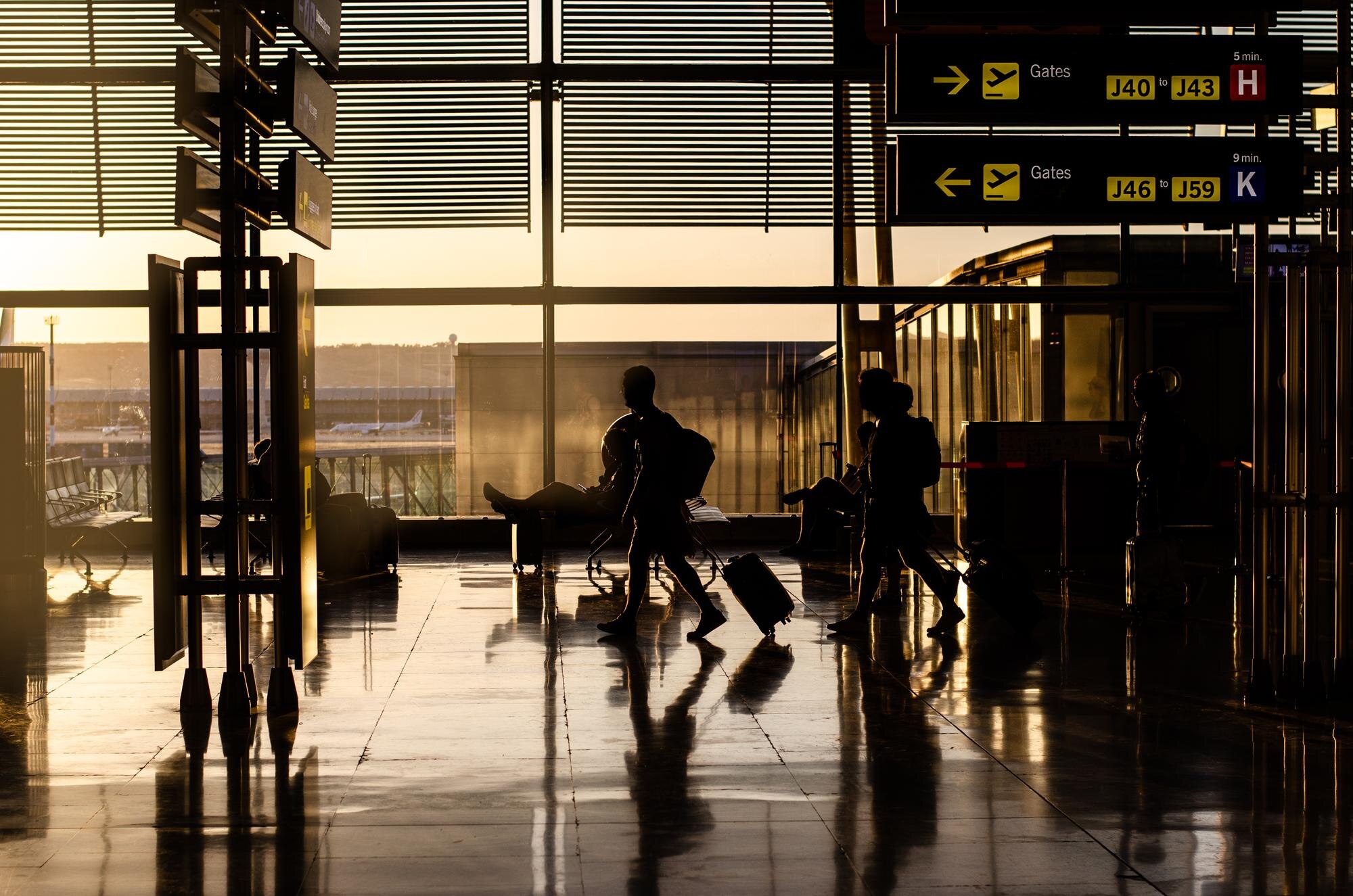
Photo: Collected
Last update: Friday December 05, 2025
Fast Track at airports is no longer a foreign concept to frequent travelers, within Vietnam and the world, mainly due to their speed, convenience, and professionalism.
For international visitors who travel to Vietnam and wish to know more about this airport service here, there is no better way to understand it than through a comprehensive comparison with Fast Track practices abroad.
In terms of similarities,
Fast Track services are commonly offered through:
Official airline websites or their counters, are primarily located at major international airports.
Private travel/ touring agencies
Fast Track services in Vietnam and other countries cater to both international and domestic passengers, covering services at international and domestic airports.
These services support Arrival, Departure, and Connection Flights.
Fast Track services in Vietnam and other countries adhere to local laws and airport regulations.
In terms of differences,
| Criterion | Vietnam | Abroad |
| Included services | Also known as Immigration Fast Track service, most Fast Track in Vietnam does not include VIP Lounge/Spa/Gourmet meals/ etc but they are separate services. | There are often VIP Lounge/Spa/Gourmet meals/etc services in Fast Track for VIP passengers. |
| Process | Passengers will be able to go through the Priority lane, without having to queue in the regular lane. | At certain airports, such as O'Hare International Airport in the US, passengers may still need to wait in the regular lane. In this case, the Fast Track staff will accompany passengers to the lane, queue with them, assist in retrieving their luggage, and then escort them to the driver. |
| Required documents |
Here are the documents passengers need to complete the immigration procedures:
|
Some countries do not issue VOA, therefore the required documents can vary:
|
| Prices |
- For VOA, Fast track prices do not include Government fee (US$25 for single entry and US$50 for multiple entries). - No tip required. |
- The prices may include immigration fees, eliminating the necessity of paying at the airports (subject to airport policies). - Tips can be requested (subject to airport and company policies). |
| Operation | Mainly provided at international airports. | Offered at both international and domestic airports (e.g., in the US, where airports handle high passenger volumes and numerous routes). |
As airport procedures and Fast Track services may undergo changes, the information provided above is intended for informational purposes only. Please directly contact your airline or our company for the most up-to-date information!
Our Reliable & Customer-oriented Fast Track assists you to navigate airport procedures for a smooth and hassle-free travel experience. Embark on the right foot to Vietnam with VAF at https://vietnam-airports.com/booking
Whether you need a fast visa, airport fast track, private car, or eSIM, Vietnam-Immi.org is here 24/7 to support your trip.
Whatsapp: +84379522522
Hotline: +84.379.522.522
Email: sales@vietnam-immi.org
Hanoi will simultaneously surprise, charm and chew you up. Founded along the Red River, Hanoi was named Thang Long (soaring dragon) by Emperor Ly Thai To in 1010. Over a thousand years of war, natural disasters and new administrations, the city grew from swamplands into the charismatic capital it is today. Take in details of the ancient architecture, battle the barrage of millennials on motorbikes and drink fresh bia hơi in the Old Quarter. Here are 11 must-see stops in Hanoi.
Ho Chi Minh Mausoleum
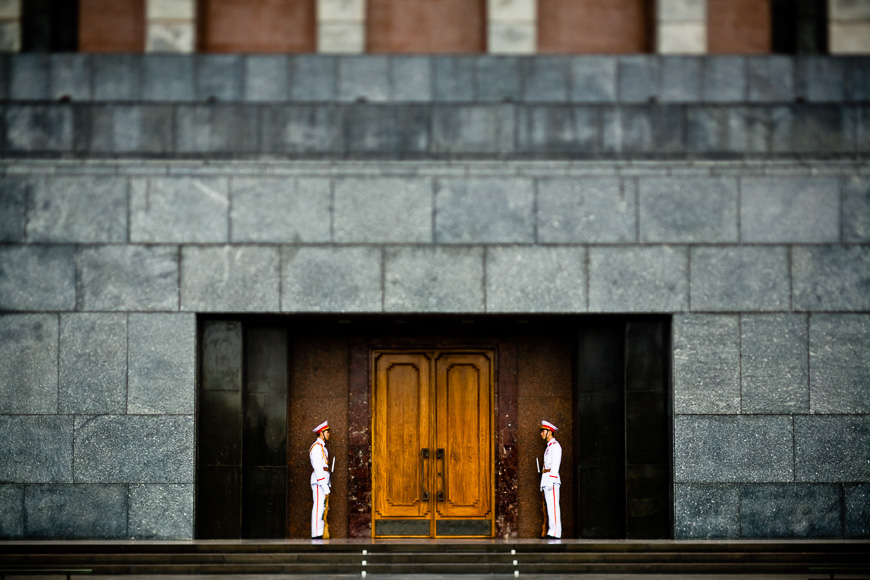
Soldiers stand guard the entrance of Ho Chi Minh's Mausoleum.
This commanding construction was built from 1973 to 1975 to house the embalmed body of Vietnam’s greatest political leader, Hồ Chí Minh. Visitors and Vietnamese queue for hours every morning to pay their respects to the cadaver, dressed in a khaki wardrobe and encased in a glass sarcophagus.
Admission: 35,000 VND
Hours: 8am - 11am, Tue-Thu, Sat-Sun (December to September) last entry at 10:15am
Address: So 1, Hung Vuong, Dien Bien, Ba Dinh
One Pillar Pagoda
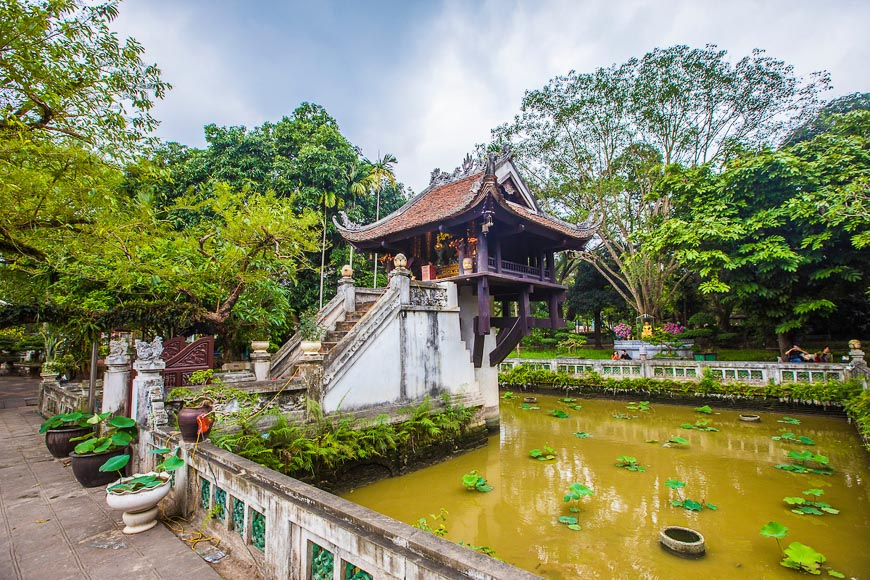
The unique one pillar pagoda in the middle of a lotus pond.
This Buddhist wooden pagoda was built in the middle of a lotus pond on a single stone pillar by the Emperor Ly Thai To in 1049. Archives suggest it was built in honor of the Goddess of Mercy, who answered the Emperor's prayers for a male heir. The structure is designed to resemble a lotus flower blossoming from muddy waters, a symbol of purity in Buddhist philosophy.
Admission: 25,000 VND
Hours: 8am - 11:30am everyday, and 2pm - 4pm, Tue-Thu, Sat-Sun
Address: Chua Mot Cot, Doi Can, Ba Dinh
The Old Quarter
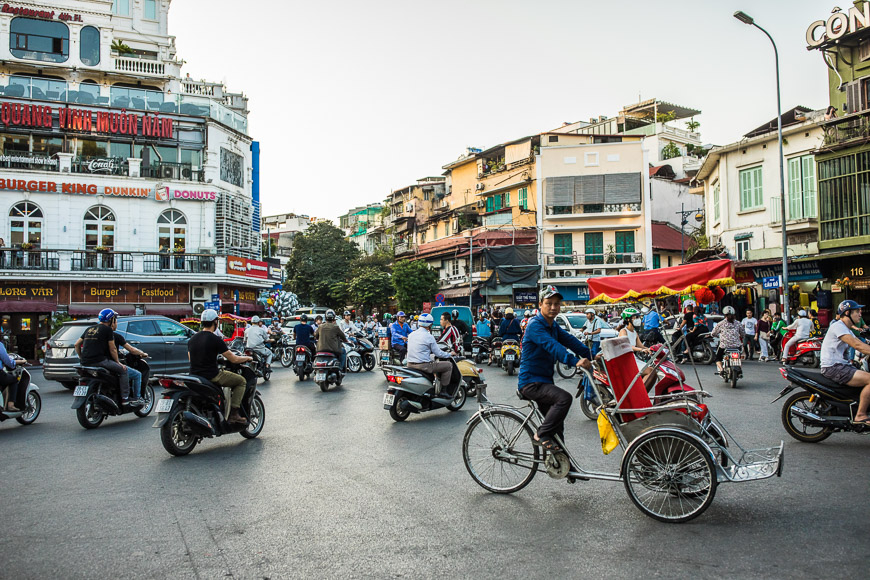
At the top of Hoan Kiem Lake, Dinh Tien Hoang 'roundabout' is a great starting point for exploring the alleys of the Old Quarter.
Hanoi’s historic Old Quarter is a single square kilometre comprised of 36 streets. Since the 15th century, each street has been home to artisans and craftsmen who traded in the specific merchandise for which their street was named. Today, the charm of these streets still remains. Prepare to marvel as you wander from silver street to bamboo street, silk street to decoration street, all within a stone's throw of each other.
TIP: At night, head down to bia hơi corner (the intersection between Ta Hien and Luong Ngoc Quyen) to sample sensational street food and bargain brews.
Admission: Free
Hours: 7am to midnight
Address: North of Hoan Kiem Lake
Hanoi Opera House
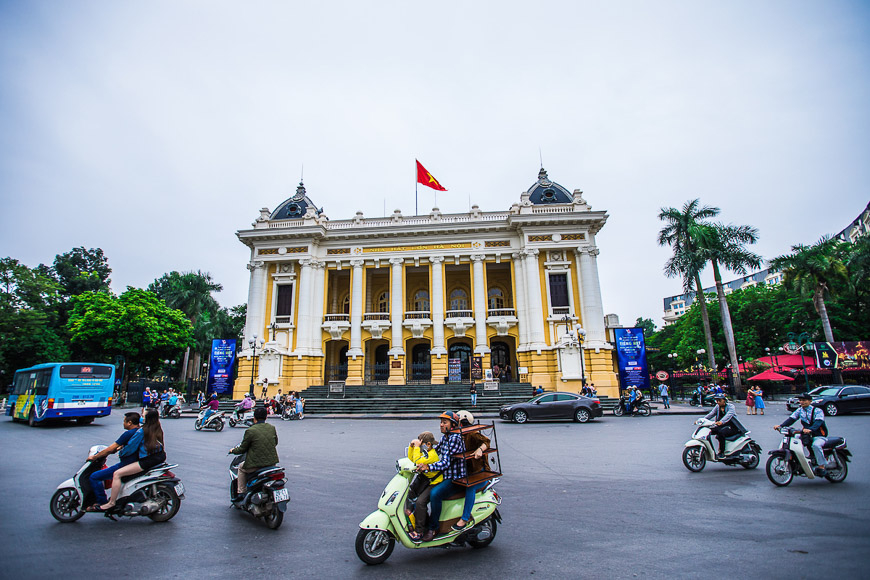
The Opera House is at the edge of Hanoi's French Quarter, where a few colonial buildings have been well preserved.
Constructed at the turn of the 20th century, this beautiful colonial building is the largest theater in Vietnam. After nearly 100 years of operation, the Opera House was carefully refurbished in 1997 and equipped with state-of-the-art facilities. Today the venue attracts renowned performers, productions and musicians.
TIP: Culture lovers should book tickets to see 'My Village' at the Opera House. This impressive showcase combines acrobatics, traditional dance and music.
Admission: 300,000 VND
Hours: Check the website for performances
Address: So 01, Trang Tien, Hoan Kiem
Vietnamese Women's Museum
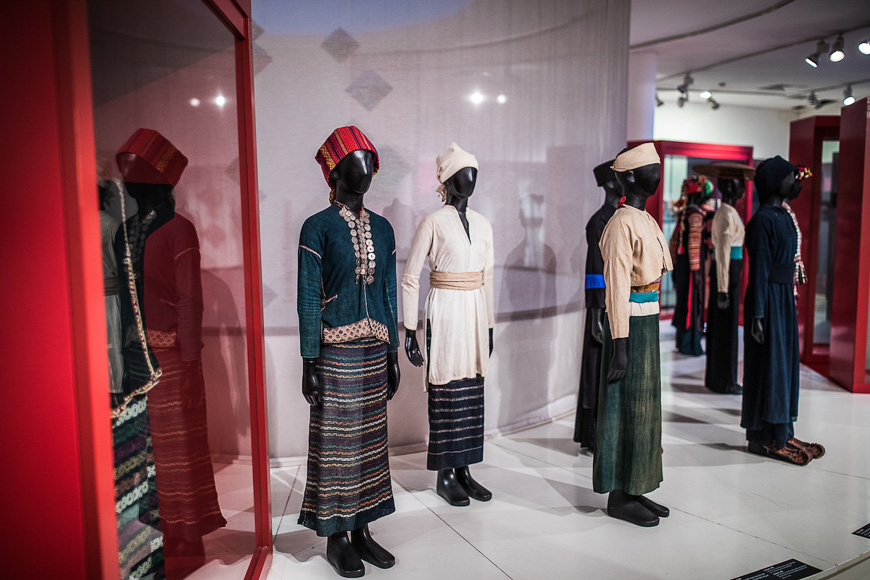
This museum boasts a floor on textiles of ethnic groups, women's crucial role in wartimes and even their practices as mediums of the 'Mother Goddess' worship.
The Vietnamese Women’s Museum is one of the most modern museums in Vietnam. Housing a series of excellent exhibitions presenting artefacts, costumes, crafts, memoirs,and photographs from the past 100 years, the museum reveals the pivotal role of Vietnamese women in their country's history and society.
Admission: 30,000 VND
Hours: 8am - 5pm, Tue-Sun
Address: 36 Ly Thuong Kiet, Hang Bai Ward, Hoan Kiem
The Water Puppet Theatre

Live music is always performed alongside the puppeteering with traditional instruments and delicate vocals.
Dating back to the 11th century, water puppet performances are ideal for light entertainment and insight into Vietnamese folklore. Wading around in waist-deep water holding bamboo poles, puppeteers operate the lacquered wooden characters from behind a screen, reenacting scenes from rural village life.
Admission: 100,000 VND
Hours: 3:30pm, 5pm, 6:30pm, 8pm, 9:15pm every day, and an additional performance on Sundays at 9:30pm
Address: 57b Dinh Tien Hoang, Hoan Kiem
Hoan Kiem Lake

Turtle Tower rests at the centre of 'the Lake of the Restored Sword.
Legend says Emperor Ly Thai To was gifted a magical sword by a giant golden turtle who lived in the lake in order to defeat the Ming dynasty. Once victorious, Ly Thai To gave the sword back to the turtle who dove down to return the sword to the gods. Hoan Kiem Lake is admired for its beauty as well as insight into the daily life of Hanoians. Watch locals practicing their daily exercise and Tai Chi routines in the gardens by the water's edge.
Admission: Free to the general public
Hours: Open all day
Ngoc Son Temple
The Ngoc Son Temple, or The Temple of the Jade Mountain, is situated on a small tree-sheltered island on the north side of Hoan Kiem Lake. Connected by a stunning scarlet bridge, this classic Vietnamese structure was built in honour of the intellectual scholar Saint Van Xuong, and national hero General Tran Hung Dao. In 1884, the Confucian scholar made a series of renovations to the site, including adding parallel sentences (câu đối) or word puzzles to the walls.
Admission: 20,000 VND
Hours: 7:30am - 5:30pm, every day
Address: Hoan Kiem Lake
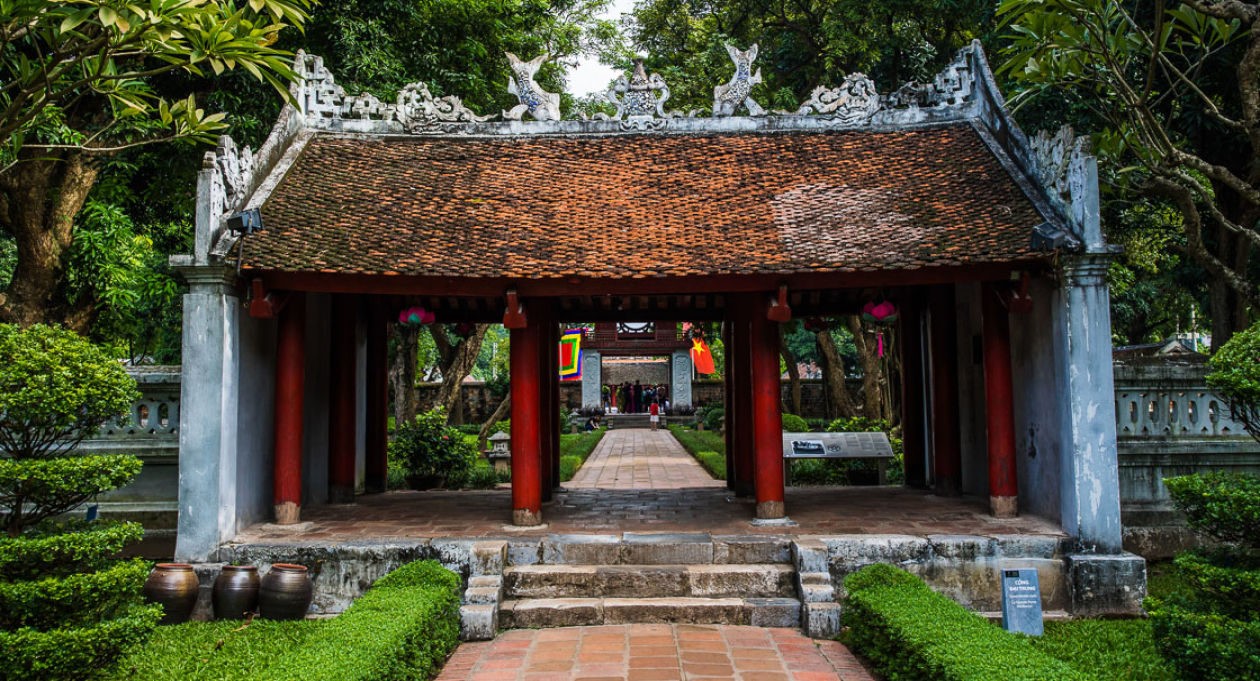
Temple of Literature
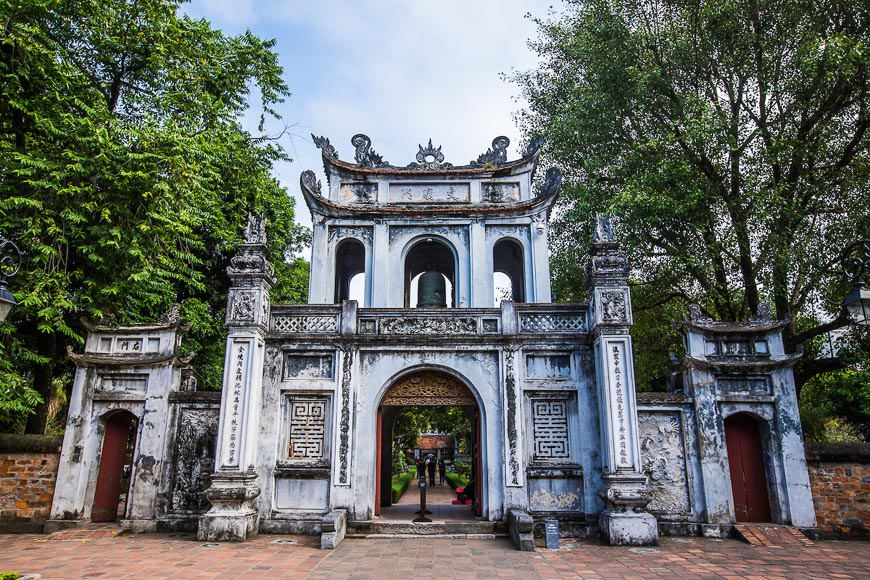
The main gate of the nation's oldest university, be sure to visit during lunch time to avoid crowds.
Built by Emperor Ly Thanh Tong during the Ly dynasty, the Temple of Literature (Văn Miếu in Vietnamese) was erected in honour of the philosopher Confucius and his disciples in 1070. In 1076, it became home to Hanoi’s first university, Quốc Tử Giám. The site is one of the oldest in Hanoi and a national symbol of Vietnamese education and architecture. Today, the temple houses five court yards, records of Vietnamese scholars, and statues of turtles which are said to bring students good luck in their exams.
Admission: 30,000 VND
Hours: 8am - 5pm, from November until March; 7:30am - 6pm for the rest of the year, Tue-Sun
Address: 58 Quoc Tu Giam, Dong Da
Museum of Ethnology
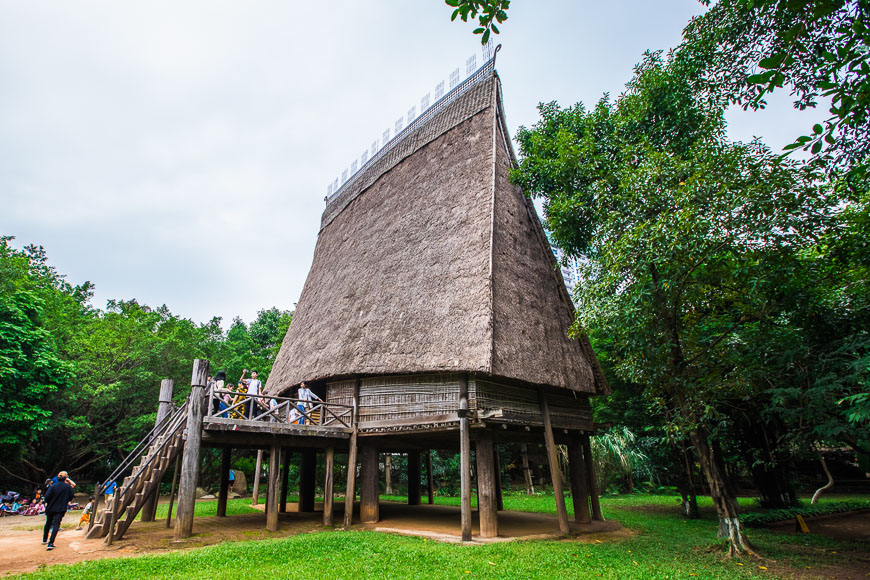
The gardens feature traditional structures, including the communal houses of the Bahnar or Giarai ethnic groups which can reach up to 30 metres high.
This amazing museum examines the everyday life of Vietnam's 54 ethnic minorities. Designed by ethnic Tay architect Ha Duc Linh and French architect Veronique Dolfus, the museum hosts three main exhibition areas. Exhibitions display cultural costumes, handicrafts, videos and artefacts; while the outdoor space showcases impressive life-size replicas of ethnic architecture.
Admission: 40,000 VND
Hours: 8:30am - 5:30pm, Tue-Sun
Address: Nguyen Van Huyen, Nghia Do, Cau Giay
Saint Joseph's Cathedral
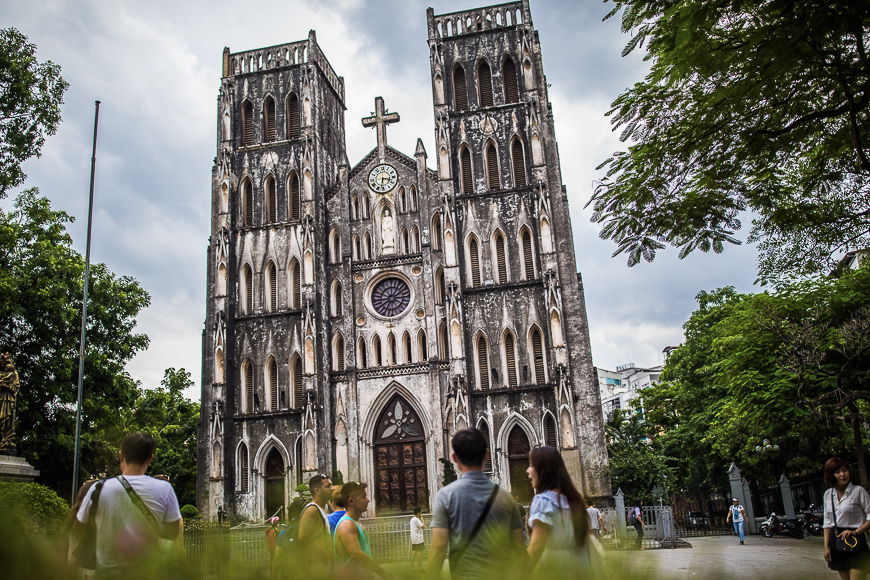
The cafes by the Cathedral are a perfect spot to watch the bustle of Hanoi.
Saint Joseph’s Cathedral (also known as Hanoi Cathedral), was built on the site of the Bao Thien Tower, which was the most famous landmark in the capital during the Ly Dynasty. The architect was inspired by the Neo-Gothic style of the Notre Dame de Paris. When visiting, expect to see a multicultural crowd of worshippers and plenty of Vietnamese newlyweds having romantic photo shoots.
Admission: Free
Hours: 8am - noon, 2pm - 6pm, every day
Address: 40 Nha Chung, Hoan Kiem
Source: Vietnam Tourism
Last update: Thursday October 09, 2025
Travelers from around the world are falling in love with Vietnam — and not just for its stunning landscapes, delicious cuisine, and rich culture. Many of them are also raving about the smooth and supportive experience they’ve had with our Vietnam visa help services.
Whether you're a first-time visitor or a frequent explorer of Southeast Asia, obtaining the right visa is crucial for a worry-free trip. Based on countless Vietnam visa service reviews and real customer testimonials, we've identified the top 5 reasons why travelers consistently rate us among the best Vietnam visa services available.
1. Fast and Hassle-Free Processing
One of the most common things travelers highlight in our Vietnam visa service reviews is our speed. In a world where travel plans can change in an instant, speed and reliability matter.
We offer:
Express processing for urgent travel needs
E-visa assistance with step-by-step guidance
Airport services with smoothly transit
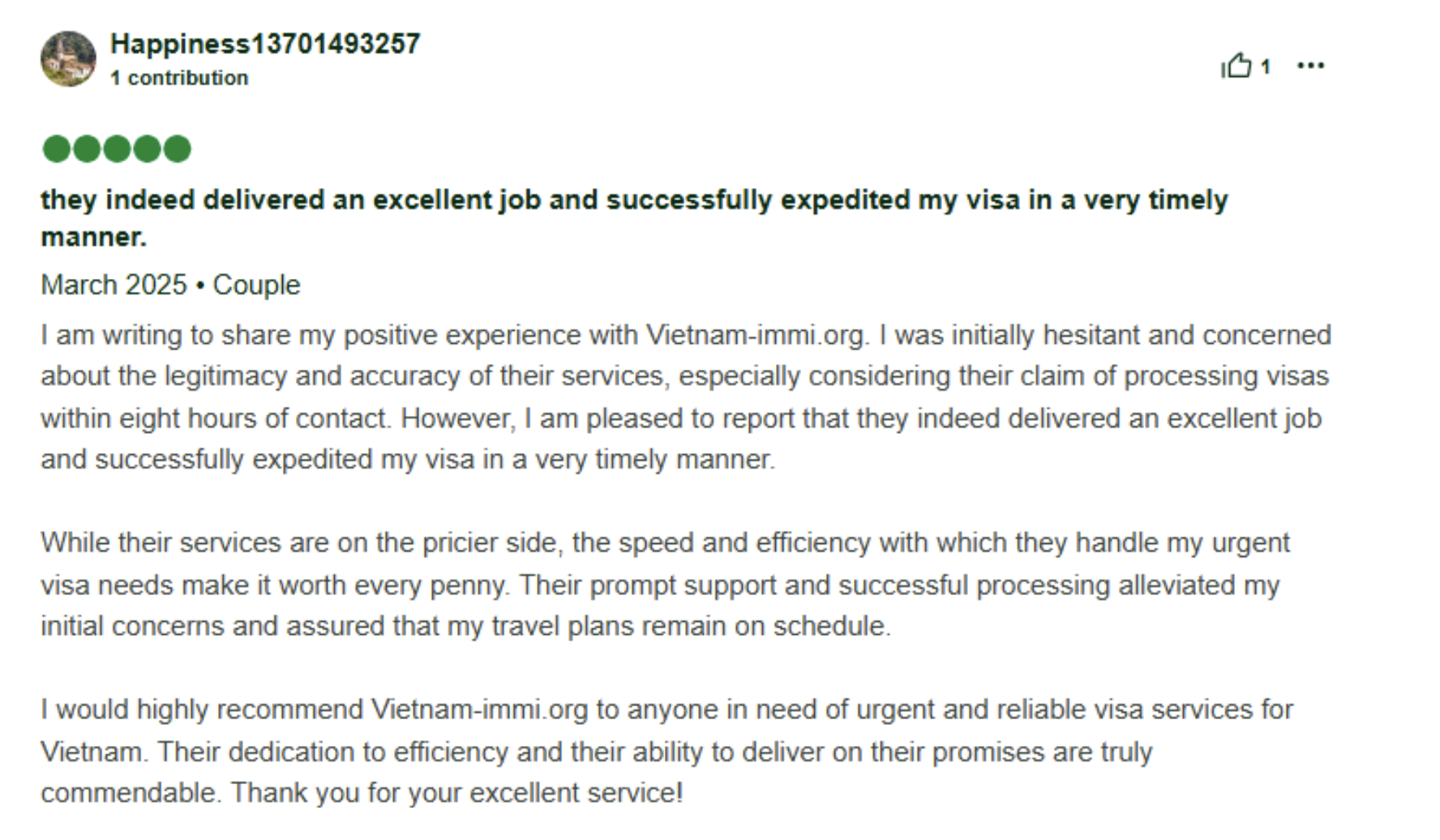
Real Customer Feedback from Tripadvisor (5/5 ratings).
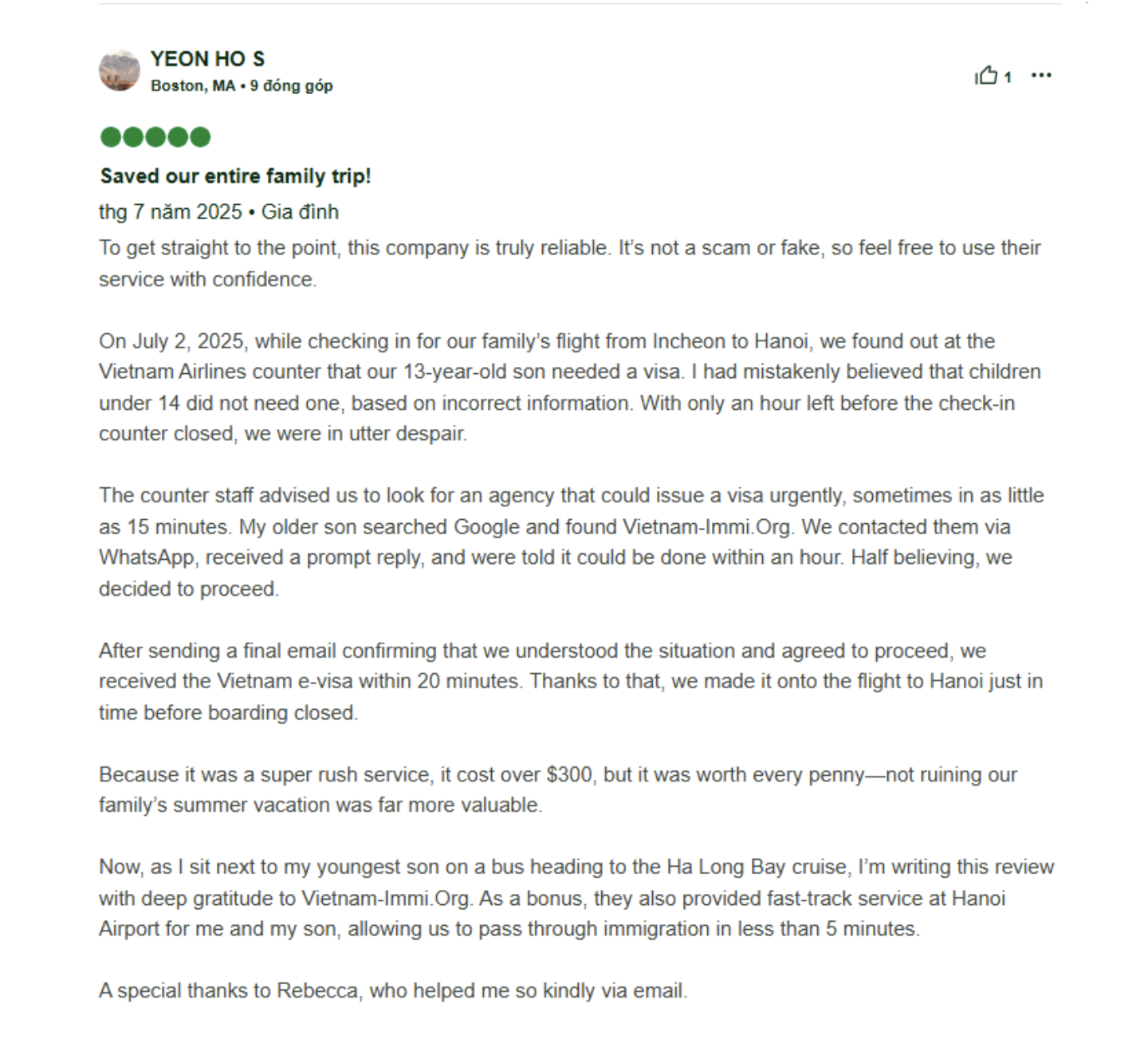
2. Friendly and Professional Support Team
Our commitment to exceptional customer care is one of the top reasons we’ve become the top-rated Vietnam visa support for tourists. That’s why we built a team that speaks your language — literally and culturally.
What our support includes:
24/7 live chat and email assistance
English agents ready to assist you
Clear answers to complicated visa-related questions
One customer shared their experience, praising how quickly and efficiently our team handled their request, ensuring a smooth and stress-free process from start to finish.
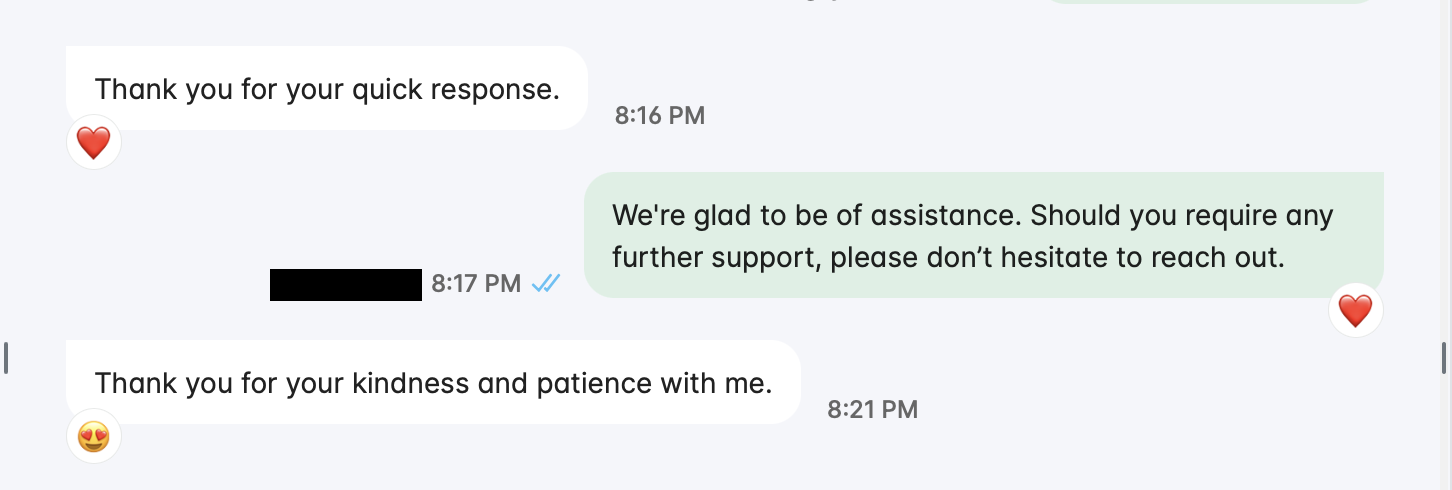
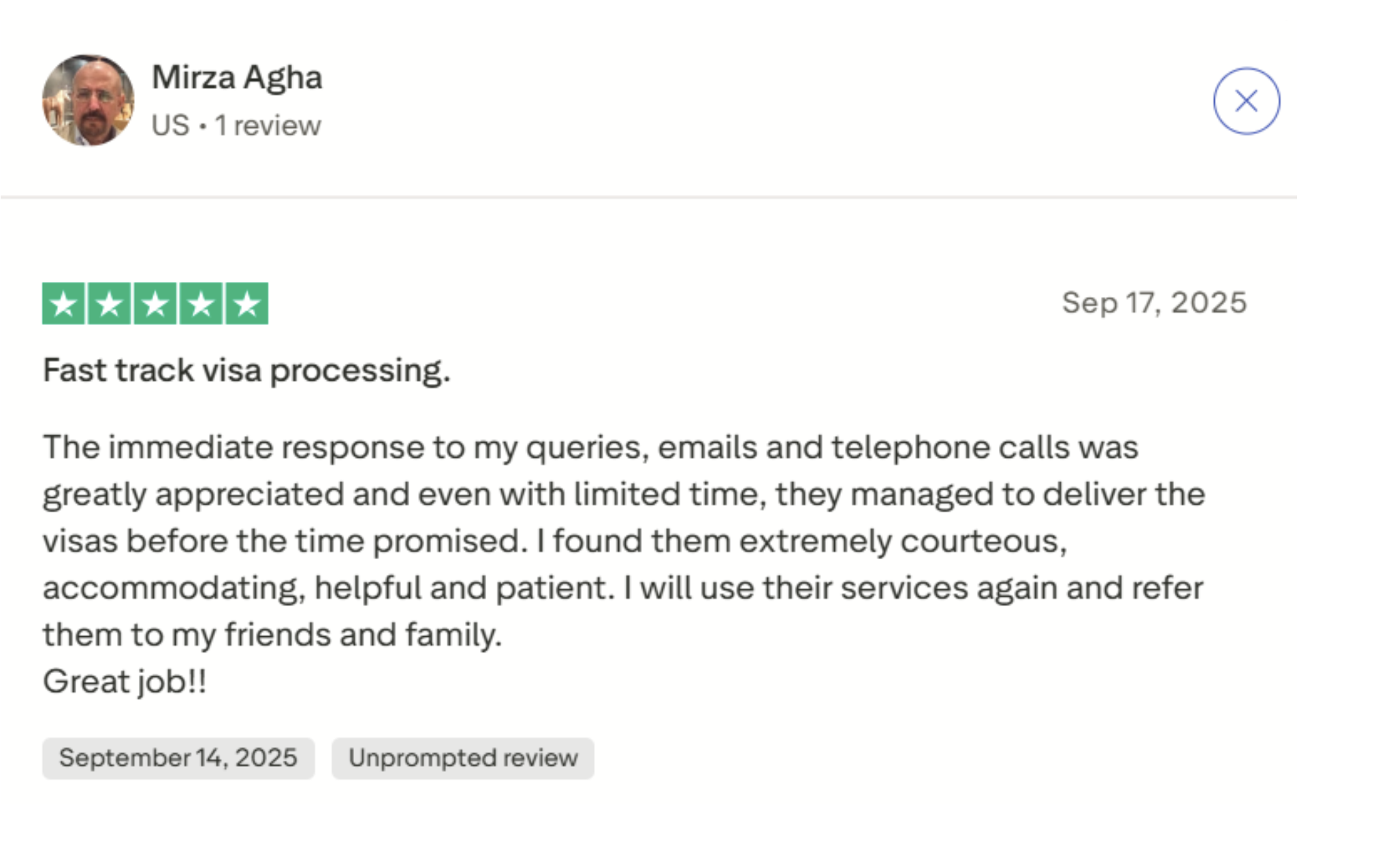
 We are so grateful and proud to be recognized for our quick response and attentive support
3. Transparent Pricing – No Hidden Fees
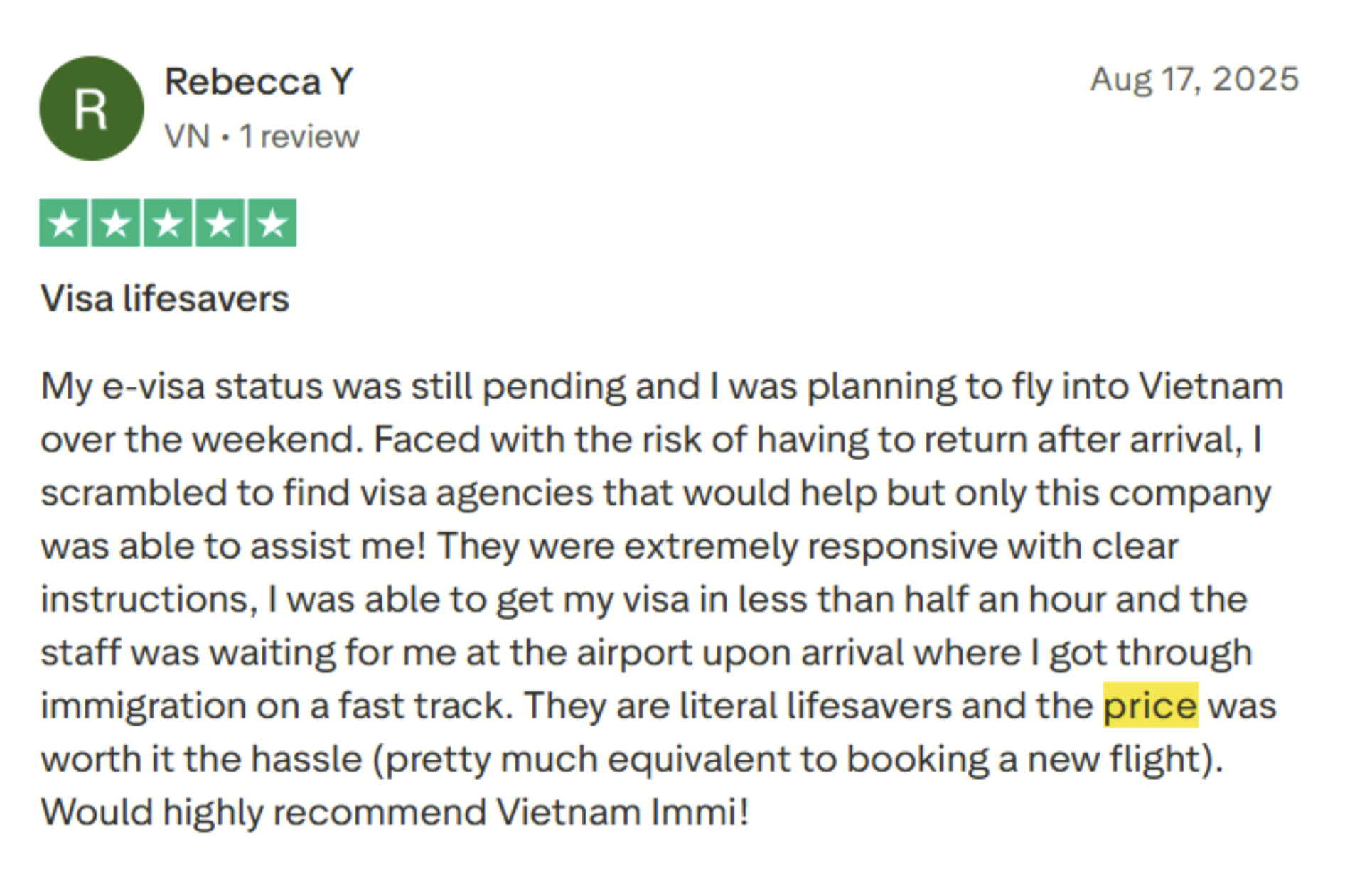
Travel budgeting is hard enough without surprise charges. That's why we pride ourselves on offering transparent and competitive pricing. Many travelers note in their customer testimonials for Vietnam visa services that our fees are straightforward, with no hidden costs.
We provide:
Clear breakdowns of fees based on visa type
No last-minute add-ons or rush charges (unless requested)
Honest advice on what’s really necessary for your trip
Real Customer Feedback:
4. Trusted by Thousands of Travelers Worldwide
We’re proud to have helped thousands of tourists, business travelers, and digital nomads get their Vietnam visas with ease. That reputation is backed by hundreds of 5-star Vietnam visa service reviews across platforms like Google, Trustpilot, and social media.
Our reputation is built on:
Consistent positive customer experiences
High approval rates for visa applications
Repeat clients who trust us every time they visit Vietnam
With so many agencies offering visa services, you might wonder: what makes ours different?
Here’s a quick summary:
Global support: We serve travelers from 100+ countries
All visa types covered: Tourist, business, e-visa, and more
High satisfaction rate: Verified 5-star Vietnam visa service reviews
Human-centered approach: We're not just a system — we’re a team
From your first inquiry to your arrival at a Vietnamese airport, we’re by your side every step of the way.
In conclusion
If you're planning a trip to Vietnam, choosing the right visa assistance can make all the difference. From quick processing to transparent pricing and genuine customer care, we strive to be the best Vietnam visa service for every type of traveler.
Still unsure? Just check out the countless customer testimonials for our Vietnam visa service and see what travelers just like you are saying.
Contact us and let us know your travel plans! Whether you’re coming for leisure or business, our team is here to support you with the latest Vietnam visa updates, urgent visas, and Fast Track airport services.



 84.379.522.522