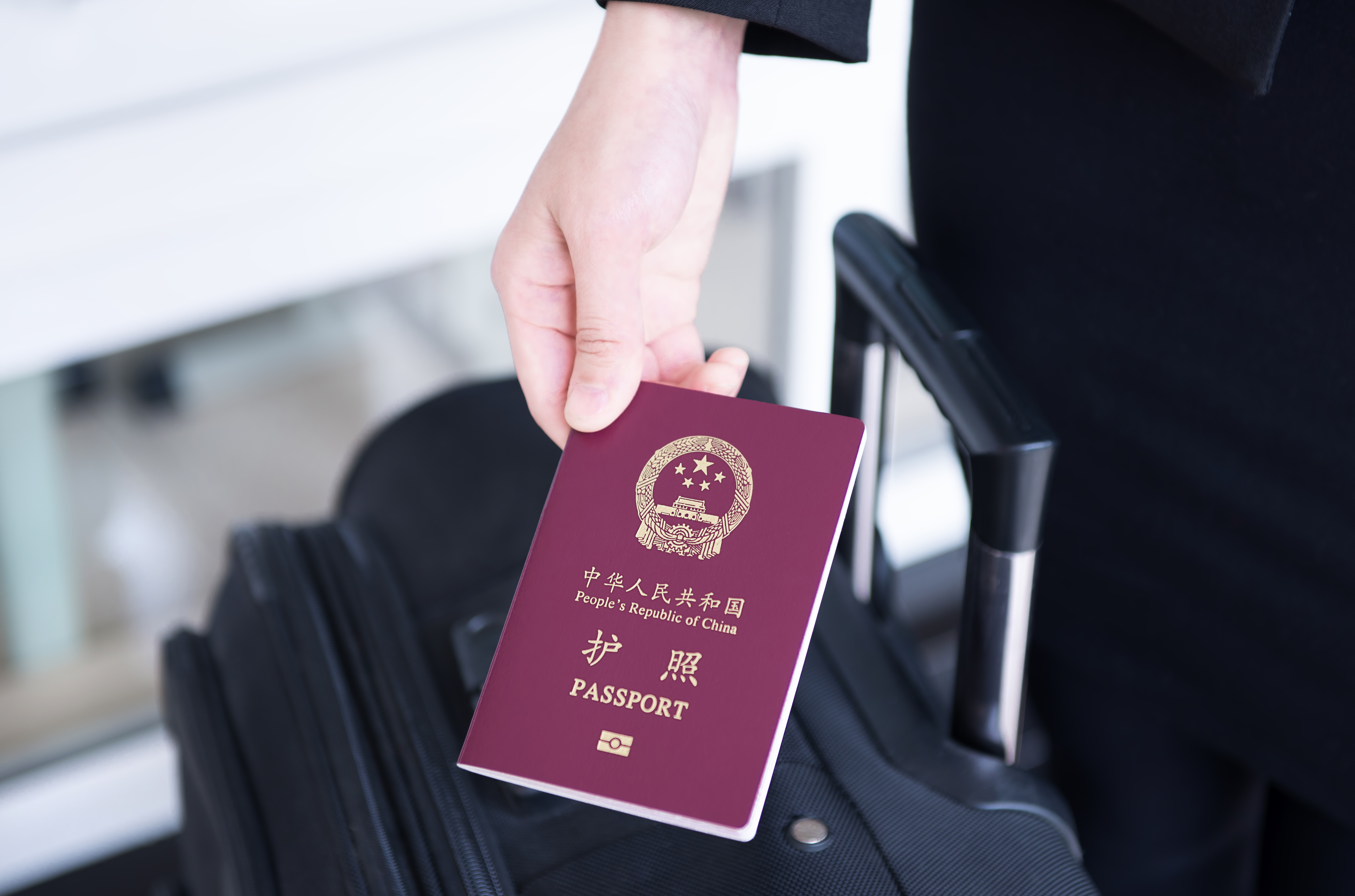
Photo: Collected
Last Update: Wednesday January 14, 2026
As cross-border travel becomes more accessible, Chinese nationals are increasingly choosing Vietnam as a top destination for tourism and business. With the streamlined Vietnam eVisa system, the immigration process for Chinese passport holders has become more convenient—but there are specific considerations and procedures that applicants must be aware of. In particular, Chinese nationality involves some special handling during entry, especially regarding the loose leaf visa and entry stamping process.
The Vietnam eVisa is an electronic travel authorization issued by the Vietnam Immigration Department, allowing foreign nationals to enter the country for up to 90 days with either single or multiple entries. Chinese citizens are eligible to apply for this visa online, eliminating the need to visit an embassy or consulate.
However, the process for Chinese nationals involves specific nuances, particularly due to how immigration officers handle visa documentation and entry procedures for this nationality.
Photo: Collected
Chinese passport holders can apply for the Vietnam eVisa through the official Vietnamese government immigration portal. The steps include:
Completing an online application form
Uploading a scanned copy of the passport data page
Uploading a passport-sized photo (white background, no glasses)
Paying the non-refundable visa fee online
Waiting approximately 3–4 business days for processing
Once approved, the applicant receives a PDF visa approval document, which must be printed and presented at the port of entry.
Unlike most other nationalities, Chinese passport holders are typically issued a "loose leaf visa" instead of having the eVisa stamped directly into the passport. This document is a separate sheet of paper that includes personal information, visa validity, and a barcode.
This is especially important for Chinese citizens to note: you must carry a printed copy of your loose leaf eVisa approval when entering Vietnam. Immigration officers will not accept a digital version on a phone.
There is a special immigration process for Chinese nationals when entering Vietnam:
At the arrival counter, the officer will verify the loose leaf visa against your passport and request for the selfie photo.
Once verified, an entry stamp will be placed on the loose leaf visa paper, not directly in the passport.
You must keep this stamped document carefully throughout your stay, as it will also be required upon departure from Vietnam.
This stamping practice is specific to certain nationalities, including China, and is meant to ensure proper tracking and immigration control.
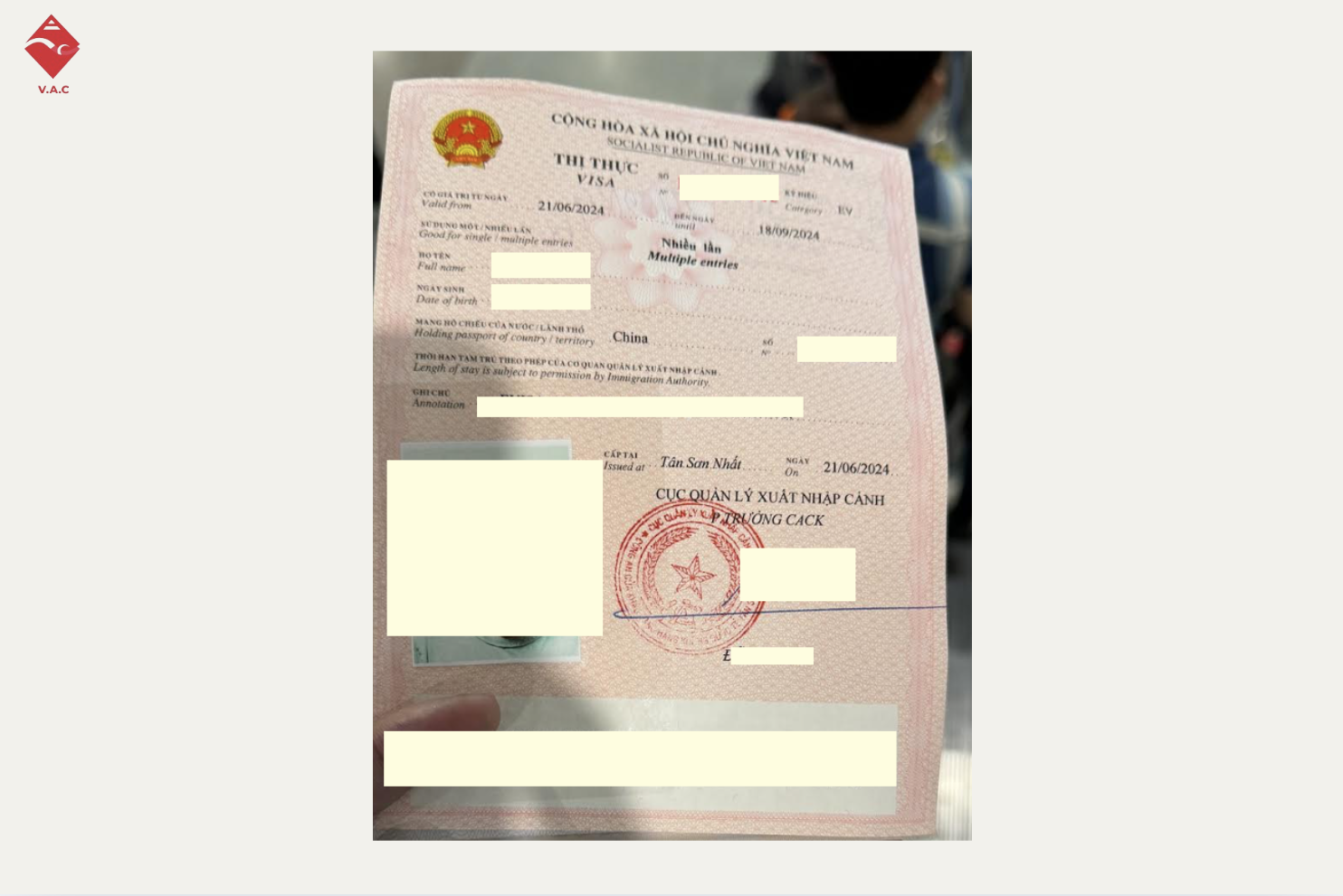
The separate visa for Chinese (make sure to store it carefully for exit procedures)
Always print both your eVisa approval and your itinerary before flying.
Keep your loose leaf visa document safe during your stay in Vietnam. If lost, replacing it can be difficult and may delay your departure.
The eVisa is only valid at designated ports of entry (airports, land borders, and seaports listed on the official site). Ensure your arrival point is among them.
If you plan to enter and exit multiple times, apply for a multiple-entry visa at the outset.
While the Vietnam eVisa for Chinese passport holders offers convenience, it’s essential to be aware of the unique immigration process for Chinese nationals, especially the use of the loose leaf visa and the entry stamp procedure. Understanding and following these requirements will ensure a smooth arrival and a hassle-free experience in Vietnam.




 84.379.522.522


